
Lawn Disease Control in Virginia
There are few things more frustrating than watching a healthy lawn turn on you. Brown circles appear overnight, patches spread, and no amount of watering or mowing brings the color back. Most of the time, the cause is a fungal disease, and by the time you notice it, it is already spreading.
Lawn diseases move fast in Virginia's warm, humid summers, and they do not clear up on their own. At Agronomic Lawn Management, our disease control treatments stop fungal outbreaks before they take hold and protect your turf through the seasons when it is most at risk. We match every treatment to your grass type and the specific disease pressure your lawn faces, so you are not paying for guesswork.
Our Virginia lawn disease control includes:
- Professional fungicide applications timed to your grass type and the season
- Treatment for the fungal diseases most common in Hampton Roads
- A preventative approach that stops disease before it damages your turf
- Programs tailored to warm-season and cool-season grasses
- Eco-conscious products applied under Virginia's Green & Clean Initiative
Common Lawn Diseases We Treat in Virginia
Virginia's transition-zone climate, with hot, humid summers and both warm- and cool-season grasses, creates ideal conditions for turf disease. These are the fungal diseases we treat most often across Hampton Roads.
- Brown Patch: One of the most common summer diseases in our area. It creates large, irregular patches of brown, thinning grass and spreads quickly in warm, humid weather. Cool-season grasses like fescue are especially vulnerable.
- Summer Patch: Attacks grass at the root, producing circular patches of weakened, discolored turf during the hottest stretches of summer.
- Spring Dead Spot: Affects warm-season grasses, such as Bermuda. Circular patches of dead turf appear as the lawn comes out of winter dormancy and can linger well into spring.
- Dollar Spot: Small, silver-dollar-sized patches of bleached, tan grass. Left untreated, the spots merge into larger damaged areas.
- Powdery Mildew: A white, powdery coating on grass blades, most common in shaded, humid areas of the lawn.
Not sure what is affecting your lawn? Our technicians diagnose the disease on-site and match the treatment to the pathogen, your grass type, and the season. For a closer look at how to spot brown patch before it spreads, see our guide to brown patch fungus in Hampton Roads.
How Our Disease Control Works
Fungal disease is not treated with a single spray. It takes the right product, applied at the right time, matched to your specific lawn. Here is our approach:
- Diagnosis first. We identify the disease affecting your lawn along with the conditions feeding it, since the wrong treatment wastes time while the disease spreads.
- Grass-specific treatment plan. Warm-season and cool-season lawns face different diseases and need different care, so we build the plan around your grass type.
- Preventative applications. We apply fungicides proactively to stop fungal growth before it damages your turf, rather than reacting after the patches appear.
- Seasonal timing. Treatments are scheduled for the times of year when fungal activity peaks, giving your lawn protection when it needs it most.
Fungicide Applications Tailored to Your Lawn
We customize disease control based on your grass type, since warm-season and cool-season lawns face fungal pressure at different times of year.
Warm-Season Grasses (Bermuda, St. Augustine, Zoysia)
Includes 4 standard applications: two in the spring and two in the fall. Additional summer treatments are available for lawns prone to fungal outbreaks or under significant environmental stress.Cool-Season Grasses (Fescue, Kentucky Bluegrass)
Includes 5 targeted applications throughout the summer, timed to the peak periods when fungal activity is most likely.
Experience the ALM Difference
Diagnosing and treating turf disease in Hampton Roads takes local experience, not guesswork. In a transition zone with both warm- and cool-season grasses, knowing which disease you are dealing with and when to treat it is what protects your lawn. Our locally trained technicians understand how Virginia's heat, humidity, and seasonal shifts drive disease pressure, and they treat accordingly.
As voluntary participants in the Virginia Department of Conservation and Recreation's Green and Clean Initiative, we follow practices that protect local waterways and meet state water quality standards.
Why homeowners choose ALM:
- Service at your home within 48 hours of your call
- Free re-treatments if you are not satisfied with your results
- Locally trained technicians who understand Virginia lawns
- Eco-conscious products applied under the Green & Clean Initiative
- Treatments matched to your grass type and disease pressure
Protect Your Lawn Before Disease Spreads
Fungal disease only gets harder to fix the longer it sits. If you are seeing brown patches, discoloration, or thinning turf, the time to act is now. Our team will diagnose what is affecting your lawn and build a plan to stop it.
Frequently Asked Questions: Lawn Disease Control Edition
Areas We Service in Virginia
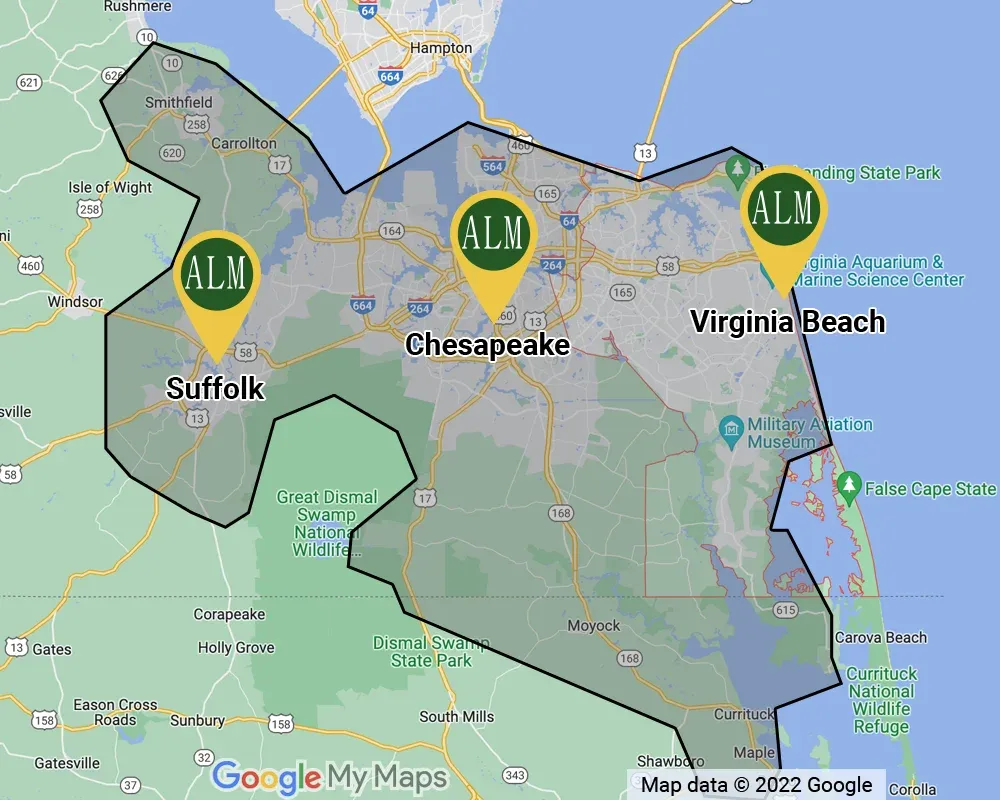
Agronomic Lawn Management has been proudly creating beautiful lawns since 1998. We provide exceptional lawn care in Virginia in a manner that is effective and environmentally responsible. We are proud to provide our services to these areas: